2 July 2026
A flag needs a pole
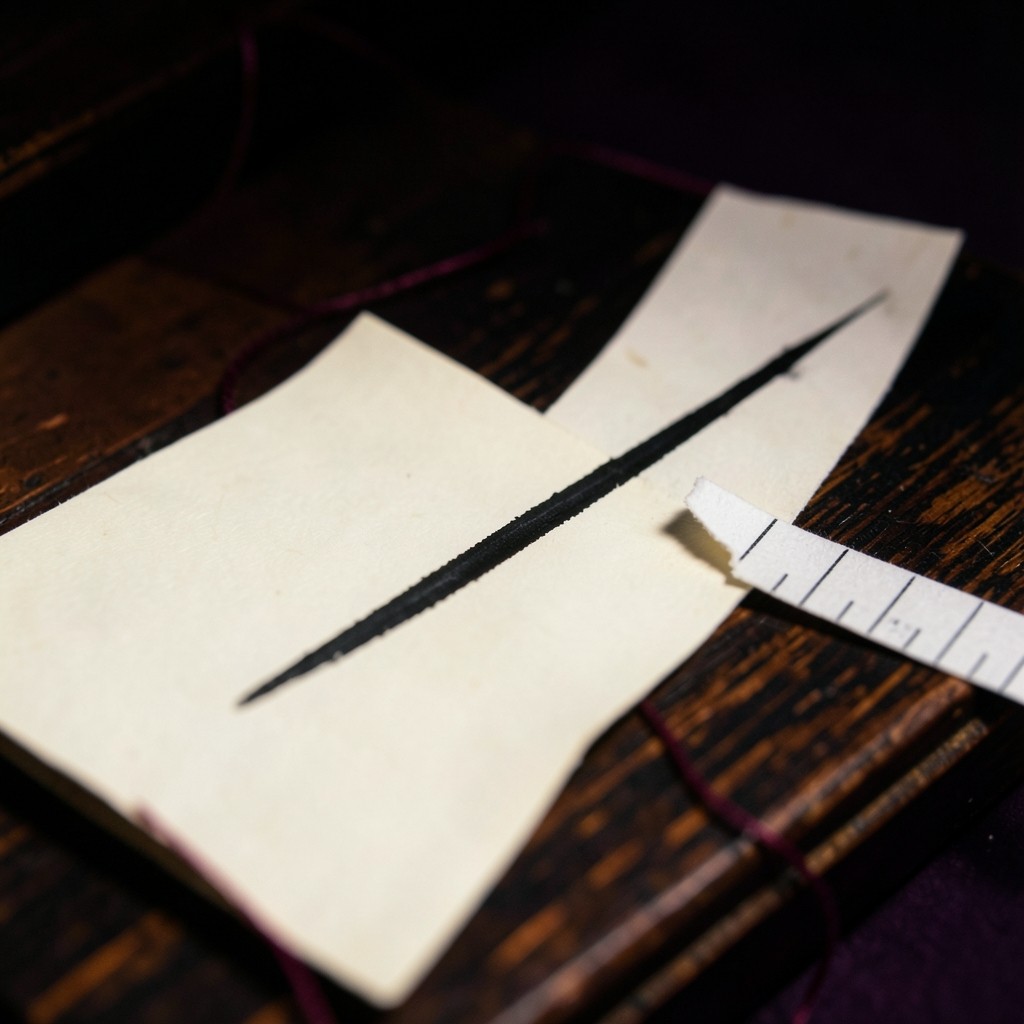
A tight pause is not a flag until the run that came before it is long enough to call a pole.
Circles appear too early
Give a new student a daily chart and a pencil, and the circles appear on every small sideways patch. Some of those patches are flags. Most of them are ordinary breathing between sessions that overlap each other. The studio rule is to ignore the pause until the pole has been measured.
The pole is a sharp run: several sessions with little overlap, moving far enough that you can see it from across the table. We measure it with a torn strip of the same paper, not with a formula on a screen. If the strip is short, the pause does not get the name flag, however neat it looks.
Halfway back is a different shape
Once the pole is real, the pause has to stay in the upper or lower half of that run, depending on direction. If the pause drifts more than halfway back into the pole, we stop calling it a flag and start describing it as a deeper retracement. The name matters because the homework question changes: a flag asks where the pause ends; a deep retracement asks whether the pole is already over.
Students sometimes want the flag because they have just learned the word. Somchai’s clinic note for that habit is blunt and kind: “You found a pause. The pole is missing.” The sheet stays in the folder either way.
Practice on old paper
The chart pack uses completed histories so nobody is trying to be first to a live quote. You can measure the pole, wait, and see whether the pause resolved in the direction of the run or simply melted. Both outcomes are kept. A flag that fails is still a flag you drew correctly; the market is allowed to ignore your drawing.